

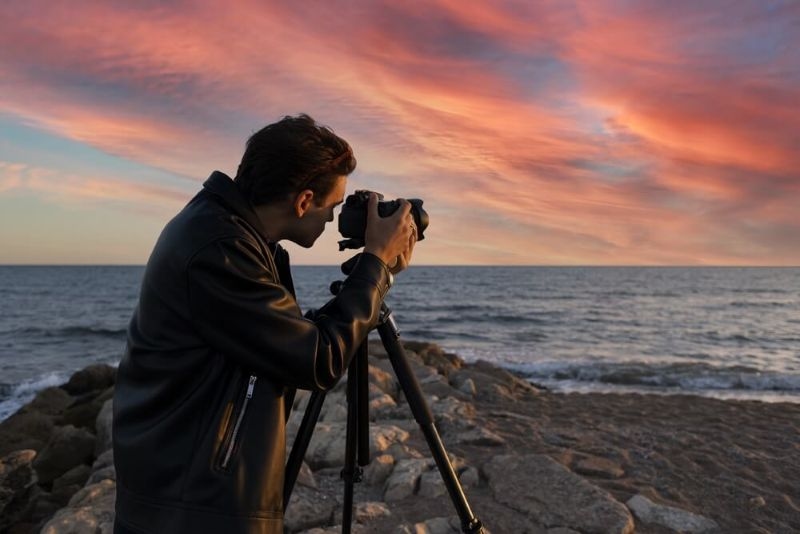
Advanced photography techniques help photographers move from guessing to understanding. They explain how light, focus, and framing work together in real situations. These techniques are not about complexity. They are about control and awareness.
This blog will explain why people want to improve their photography skills and also help you with portrait photography tips. It will even cover a landscape photography guide and creative photography ideas for beginners.
Many photographers start with basic camera use. Over time, they notice limits. Photos look fine, but not consistent. Sometimes the light works. Sometimes it does not. This is where advanced photography techniques become important.
These techniques help photographers understand why a photo works instead of relying on luck. They allow better decisions before pressing the shutter. This can help you to reduce the number of wasted shots and frustration during editing.
Portrait photography focuses on people. Small adjustments often make a big difference. These points explain how simple changes improve results.
Clear communication helps people relax. Using portrait photography tips once allows photographers to guide posture and expression in a natural way. Relaxed subjects lead to photos that feel real and balanced.
Eyes, posture, and light direction matter. Applying portrait photography tips again helps photographers maintain focus without overthinking. This improves clarity while keeping the session smooth and respectful.
Body position affects how relaxed a portrait looks. This tip helps photographers guide simple posture changes without forcing poses. Small adjustments to the shoulders and head angle create balance.
You must understand that landscape photography requires patience and observation. You can check the following list to find out everything about landscape photography:
A strong landscape photography guide helps photographers observe how light changes during the day. Using this guide once improves timing and avoids harsh contrast in outdoor images.
Angle selection shapes the entire frame. When a landscape photography guide is applied again with patience, photographers find viewpoints that show depth without clutter or distraction.
Weather affects mood and clarity. Planning ahead allows photographers to adapt calmly. This avoids rushed decisions and helps maintain steady shooting habits.
You can check the following list to understand the practical pro photo tips for USA beginners:
Applying pro photo tips USA once encourages consistent practice. Regular shooting helps photographers understand their camera behavior and improve decision-making over time.
Using pro photo tips USA can support your growth through a simple review. Looking back at images helps photographers spot patterns and understand what works without frustration.
You should check photos from other professional photographers to understand the points where you can improve yourself.
Advanced photography techniques go beyond basic camera use and help photographers gain control over results. This section explains five important techniques in a clear way so they can be applied without confusion or pressure.
Light forms every frame. Understanding how to work with what's lit helps you avoid hard shadows and flat images, too. That way, you start paying attention to where the light is coming from and how hard or soft it feels before your finger hits that shutter. And with time, you learn to move yourself around rather than fiddling with your camera.
Focus is to guide the eye and not to pull it away. This is to determine what is important in the frame. Deliberately choosing focus makes images feel clearer, more purpose-driven. The habit will make the main subject sharp, little by little, and let the background calm down to be supportive.
Framing is all about what remains in and what falls out. It's through this practice that you get to remove all the distractions to make a cleaner and stronger composition. When the frame is tight, it's deliberate, and viewers know where to look. This minimizes the need for heavy edits later.
With motion control, you can choose if you want to capture crispness or intentional blur at a particular moment. It trains your timing and patience, teaching you to wait for the right beat rather than just rushing. The effect feels planned and balanced.
Consistency breeds confidence. Instead of randomly playing with the settings, focus on repeating solid habits. In time, you develop a sense of what works when. The output from steady and repetitive practice is reliable and can help you with steady growth.
Creativity grows through observation and action. The following list explains how to develop ideas clearly and consistently:
Everyday scenes offer learning opportunities. Using creative photography ideas once helps photographers notice light changes, shadows, and simple compositions that often go unnoticed.
Removing pressure allows creativity to grow. When creative photography ideas are applied again calmly, photographers explore freely and build confidence without fear of mistakes.
Editing supports clarity when done with control. These points explain how to improve images without heavy changes.
Small edits often work best. Using editing tips for photographers can help maintain natural tones and prevent overprocessing.
Balanced light improves readability. Applying editing tips for photographers again helps images look clean and comfortable across screens.
You should take a short break before your final review because it can help you spot errors. This habit supports better judgment and cleaner results.
Advanced photography techniques help photographers work with intention and clarity. Simple habits, steady practice, and awareness improve results over time. By focusing on preparation, comfort, and balance, photographers can build skills that feel reliable and natural without unnecessary complexity.
They become manageable when learned gradually with regular practice.
Yes, beginners can improve steadily by applying them step by step.
No, they focus more on understanding than tools.
Regular short sessions help build consistency and confidence.
Editing helps refine images when done in a simple and controlled way.
This content was created by AI